
I had dinner with a group of investors in Singapore a couple of months ago - startup investors, property investors, two family offices - and at some point someone asked a question that's been following me ever since.
"Why is everyone buying businesses instead of starting them?"
I've heard versions of this in almost every room I've been in lately. And I think the answer matters - whether you invest or whether you run a business you've built from the ground up.
I'm going to start writing to you once a month - what I'm seeing, what's working, what's not. Think of it as a conversation, not a newsletter. This is the first one. About 6 minutes.
If you're a co-investor…
The investors I sit with - at our private dinners across London, Amsterdam, Singapore, Dubai - are all saying the same thing: they want businesses that already make money, not pitch decks. They want to co-invest alongside people they trust, into deals they can actually evaluate. Not blind pools. Not forced timelines.
That's why I built the Global Investor CIRCLEs in 2024 — invitation-only dinners for angels, family offices, and exited founders. We've held ten so far. Our most recent was in Singapore this past December: startup investors, property, PE, small business investors, and two family offices in the same room. At one point, a conversation between a property investor and a tech founder turned into a potential co-investment - the kind of thing that doesn't happen on a Zoom call.
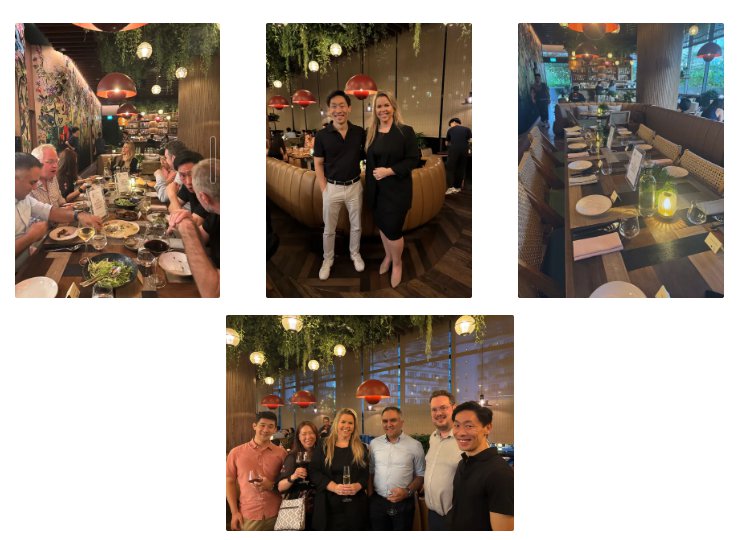
This year we also launched the Investor CLUB — a co-investment community that lets us co-invest, de-risk together, and access bigger-ticket deals than any of us would take on alone. Smaller tickets alongside larger cheques, with transparent briefs so you can move quickly.
One thing I want to be open about: I don't miss running traditional VC funds. The pressure to invest within a fixed window — regardless of deal quality — creates terrible incentives. I've watched fund managers back deals they'd never touch with their own money, just because the clock was ticking. That's not how we do it. Inside the CIRCLEs and CLUB, you invest deal by deal. Only in what you actually believe in.
Want an invitation to our next Investor CIRCLE? Reply to this email or register your interest here.
If you're a founder…
The people who might buy your business one day are already paying attention.
A founder told me recently: "We're doing $8M in revenue. We'll get a great multiple."
I asked one thing. "If you stepped away for 90 days, what breaks?"
Silence.
I hear this all the time. The business is doing well - but it depends entirely on the founder. The key relationships, the strategy, the decision-making - it all lives with one person. And when a buyer looks at that, they don't see a great company. They see a risk.
They're paying attention to things like: does the business have a team that can run without you? Is the revenue spread across enough customers, or does one big client make up most of it? Are the finances clean and easy to understand? These things matter - and buyers are looking at them long before they ever reach out to you.
This is where most businesses lose value when they sell. Not because they aren't good - but because they can't run without the person who built them.
The good news: you can fix this. Most founders need about 12 to 24 months to get their business ready. I wrote a short piece on why most founders can't exit (sell) as easily as they think - if it rings true, have a read.
I should also share some personal news. Last year I joined the board of Emmis Acquisition Corp - a company listed on the Nasdaq that raised $115 million to acquire private businesses and take them public. It's called a SPAC. In plain terms: it's a way for solid businesses to go public without the traditional IPO process. If you're in industrial services, manufacturing, or tech, it could be a real option for your exit - one that's more founder-friendly than a typical sale.
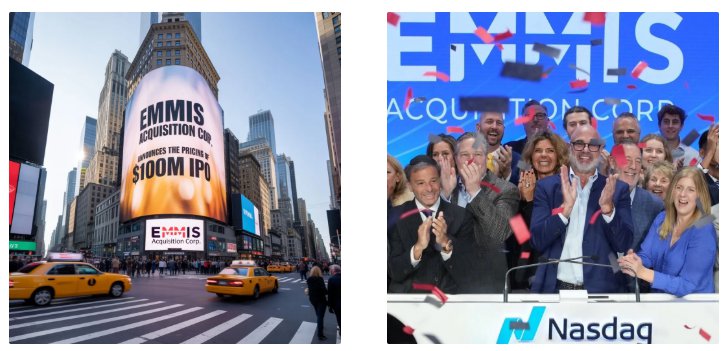
I'm also building something called a Co-operative IPO - a way for founders who are too big to attract venture capital, too small for private equity, and stuck without a clear way forward to come together and access the public markets as a group. More on this in a future letter.
Want to talk through your own situation? Book a free strategy session.
One last thing.
The most important investment I've made this year isn't a deal. It's the people around me. Everything good that's happened - every opportunity, every partnership - started with being in the right room with the right people.
Choose your rooms wisely.
